
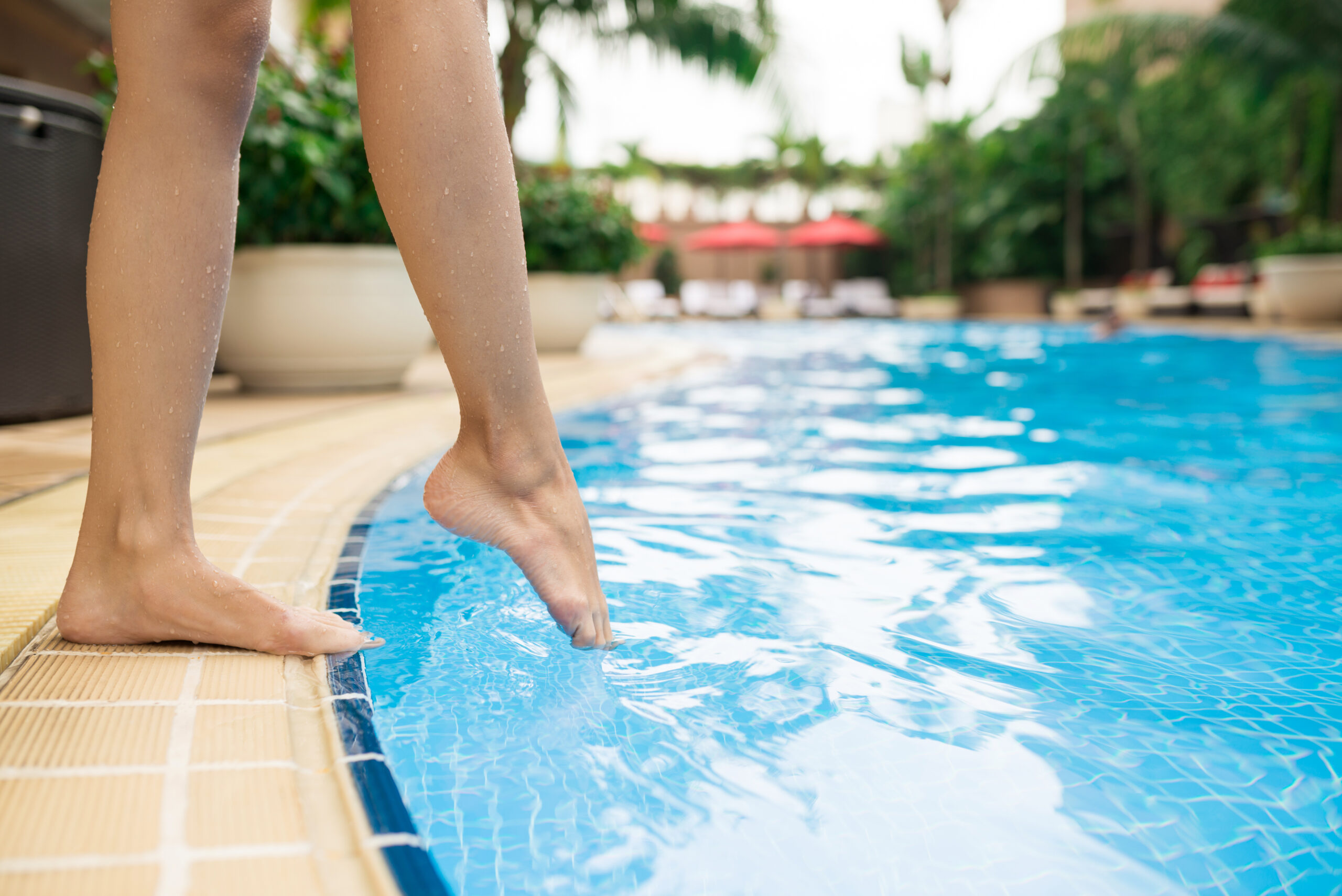
The weather finally feels warm. The sun is out, the backyard looks inviting, and your pool is starting to look like the perfect place to spend the afternoon.
Then you step in.
Even though the air feels comfortable, the water still feels too cold to enjoy. This is one of the most common frustrations pool owners run into in spring and early summer. The pool looks ready, the forecast looks promising, and everyone wants to swim, but the water has not caught up yet.
The reason is simple: air temperature and pool temperature are not the same thing. A warm afternoon can make your backyard feel like summer, but your pool has been affected by cool nights, wind, shade, and evaporation. Water takes longer to warm than air, and once it gains heat, it can lose that heat quickly under the right conditions.
That is why so many homeowners start asking the same question in May: why is my pool still cold when it is warm outside?
Warm Air Does Not Instantly Warm Pool Water
It is easy to assume that if the weather is warm, your pool should be warm too. In reality, pool water changes temperature much more slowly than the air around it.
Air can warm up quickly during the day, especially when the sun is strong. Pool water, on the other hand, has much more mass. It takes longer to absorb heat, and it does not respond immediately to a few warm afternoons.
This is especially noticeable in May. The days may be sunny and pleasant, but nighttime temperatures can still be cool. If your pool gains a little heat during the day and loses much of it overnight, the water may stay colder than expected.
That is why your pool may feel chilly even during a stretch of nice weather. It is not just about how warm it feels outside right now. It is about how much heat your pool has gained over time, and how much heat it is losing when the sun goes down.
Your Pool Loses Heat Overnight
One of the biggest reasons pools stay cold in spring is overnight heat loss. Even if your pool warms up during the afternoon, cooler evening and early morning temperatures can pull heat back out of the water.
This can create a frustrating cycle. The pool warms slightly during the day, cools again overnight, and then has to start over the next morning. Without a heating system, your pool may need a long stretch of consistently warm days and nights before it feels comfortable.
This is also why a pool may feel better in the late afternoon than it does in the morning. The water has had several hours of sunlight to recover from the night before, but it still may not be warm enough for a relaxing swim.
Wind Can Make the Water Feel Colder
Wind is another major factor that many homeowners overlook. Even on a sunny day, wind can pull heat away from the surface of the pool and make the water feel cooler.
If your pool is in an open yard or exposed area, it may lose heat faster than a pool that is more protected. Wind also increases evaporation, which is one of the main ways pools lose heat.
This is why two pools in the same neighborhood can feel very different. One may be tucked into a sheltered backyard with plenty of sun, while another may be exposed to wind for much of the day. The weather forecast may be the same, but the pool experience can be completely different.
Evaporation Removes Heat From the Pool
Evaporation is one of the biggest reasons pool water loses warmth. When water evaporates from the surface of your pool, it takes heat with it. This can happen throughout the day, but it is especially noticeable when the air is dry, the wind is blowing, or the pool is warmer than the surrounding air.
For many homeowners, this explains why the pool does not seem to hold onto warmth, even after several sunny days. The sun may be adding heat, but evaporation is constantly taking some of that heat away.
A pool cover can help reduce this heat loss, especially overnight. When the pool is covered, less water evaporates from the surface, which helps the pool retain more of the warmth it gained during the day.
Shade Can Slow Down Pool Warming
Shade can also keep your pool cooler than expected. Trees, nearby buildings, patio covers, walls, and even your home itself can block sunlight from reaching the water.
Some shade may be welcome during the hottest part of summer, but in spring and early summer, it can slow down the warming process. If your pool only gets a few hours of direct sunlight each day, it may take much longer to reach a comfortable temperature.
Shade can also affect solar pool heating system design. If solar collectors are installed in a shaded area, they may not perform as well as they would in a sunnier location. That is why a professional evaluation looks at more than just the pool itself. It also considers the roof, the surrounding trees, nearby structures, and the amount of usable sunlight available throughout the day.
Common Reasons Your Pool Still Feels Cold
If your pool still feels cold even though the weather is warming up, one or more of these factors may be responsible:
- Cool nighttime temperatures are lowering the water temperature after sunset.
- Wind is pulling heat from the surface of the pool.
- Evaporation is causing the pool to lose warmth throughout the day and night.
- Shade is limiting the amount of sunlight reaching the pool or roof.
- The pool is large and needs more time to warm naturally.
- The water has not had enough consecutive warm days to build up heat.
- There is no heating system helping the pool recover from daily heat loss.
These factors often work together. A shaded pool that is also exposed to wind will usually warm more slowly than a sunny, sheltered pool. A large pool without a cover may lose heat faster overnight than a smaller pool that is covered when not in use.
How Solar Pool Heating Can Help
Solar pool heating gives your pool a better way to capture and use the sunshine that is already available. Instead of relying only on the sun hitting the surface of the water, a solar pool heating system circulates pool water through solar collectors, where it is warmed before returning to the pool.
Over time, this helps raise the pool temperature and makes the water more comfortable for swimming. The benefit is especially noticeable during the early part of the season, when the weather feels nice but the pool still needs help warming up.
Solar pool heating is not an instant fix for a cold pool overnight. It works with the sun and depends on factors like pool size, system size, sun exposure, weather, and whether you use a pool cover. But when the system is designed properly, it can help you enjoy your pool earlier in the year, more often during the summer, and later into the season.
A Pool Cover Can Help Hold the Heat In
Solar pool heating helps add warmth, but keeping that warmth in the pool is just as important. That is where a pool cover can make a big difference.
When you cover the pool at night or when it is not being used, you help reduce evaporation and heat loss. This gives your pool a better chance to hold onto the warmth it gained during the day.
For homeowners who want to swim sooner in the season, this combination can be especially helpful. Solar pool heating works to warm the water, while a cover helps protect that warmth when temperatures drop overnight.
Why May Is the Time to Pay Attention
May is when many homeowners start noticing the gap between warm weather and cold pool water. The backyard feels ready, the kids want to swim, and summer plans are starting to fill the calendar. But without help, the pool may not feel comfortable until later in the season.
That makes May a smart time to think about solar pool heating. Instead of waiting for the hottest weeks of summer, you can start improving your pool comfort earlier and get more use out of the pool you already have.
If your pool is consistently too cold in spring, that is not just a small inconvenience. It can change how often your family uses the pool. A pool that feels cold may sit unused, even on beautiful days. A pool that feels comfortable becomes part of everyday life.
Find Out What Is Keeping Your Pool Cold
Every pool is different. Some pools need more sun exposure. Some need better heat retention. Some need a properly sized solar pool heating system. Others may benefit from a combination of solar heating, a pool cover, and small changes around the yard to reduce shade or wind exposure.
The best way to know what is affecting your pool is to schedule a professional estimate. An experienced solar pool heating specialist can look at your pool size, roof layout, sun exposure, equipment, and heating goals to give you a realistic idea of what to expect.
Enjoy the Pool Sooner This Season
A warm day does not always mean warm pool water. If your pool still feels cold in May, there is usually a reason, and there may be a solution.
Solar pool heating can help your pool make better use of the sun, recover from cool nights, and feel more comfortable earlier in the season. With the right system and smart heat retention habits, you can spend less time waiting for your pool to warm up and more time actually enjoying it.
Schedule your solar pool heating estimate before the summer rush and find out how soon your pool could feel ready for swim season.
