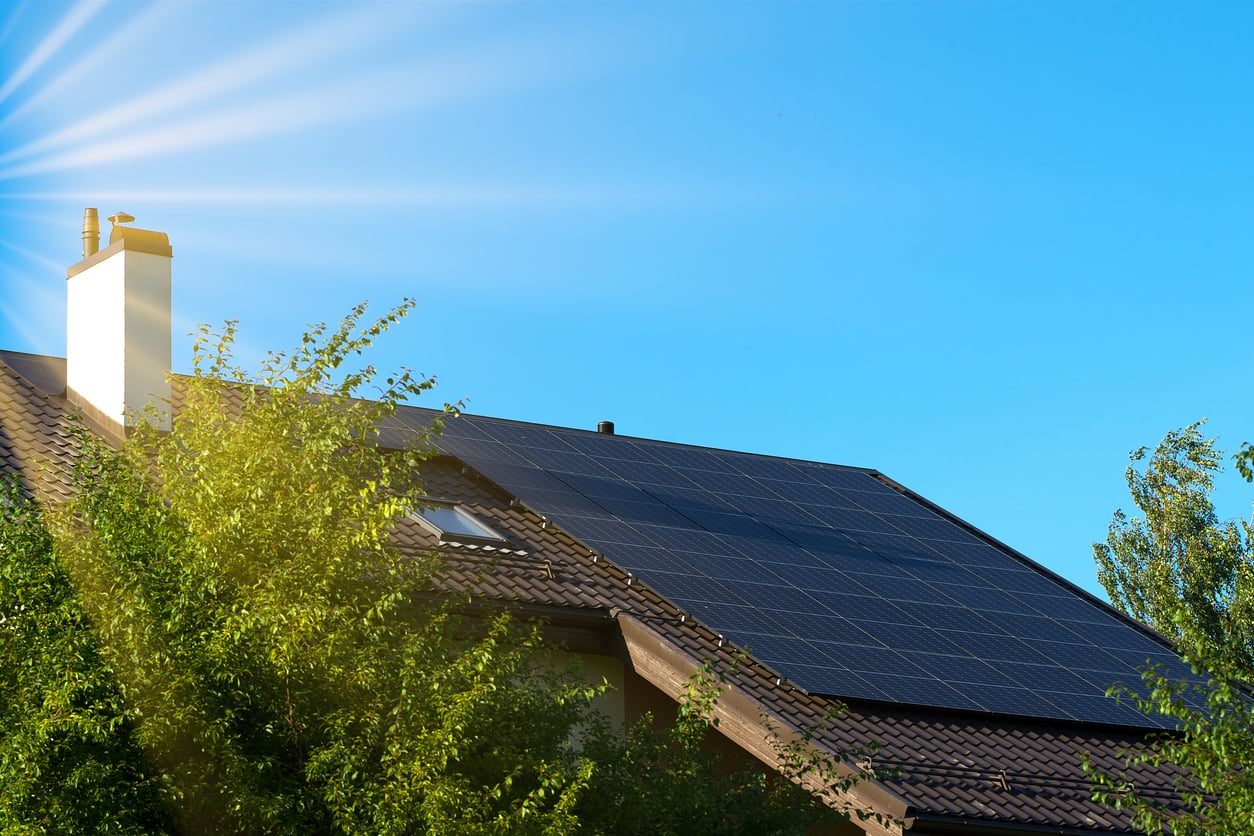
As we’re well into the heart of summer, you might notice your solar panels working harder than ever. August consistently ranks as one of the top months for solar energy production across the United States, and if you’re considering solar installation or already have panels on your roof, understanding why can help you make the most of this peak generation period.
The Perfect Storm of Solar Conditions
August creates ideal conditions for solar energy production due to several key factors working together. The sun reaches some of its highest points in the sky during late summer, providing direct, intense solar radiation for extended periods. Combined with long daylight hours—typically 13-14 hours in most regions—your solar panels have maximum opportunity to convert sunlight into electricity.
What makes August special:
- High sun angle: The sun travels a shorter path through the atmosphere, reducing energy loss
- Extended daylight: Longer days mean more hours of energy production
- Consistent weather: Many regions experience stable, clear weather patterns
- Peak irradiance: Solar irradiance (the power of solar radiation) often peaks in late summer
Real Numbers: What to Expect from Your System
During August, properly installed solar systems can generate 15-25% more electricity compared to spring months. For a typical 6kW residential solar system in Nevada or Southern California, this translates to an additional 30-50 kilowatt-hours per month—enough to power an average home’s air conditioning for several extra days.
Average daily production increases in August:
- Nevada homes: 35-45 kWh per day (vs. 25-30 kWh in April)
- Southern California: 40-50 kWh per day (vs. 30-35 kWh in April)
- Arizona: 38-48 kWh per day (vs. 28-35 kWh in April)
These numbers can vary based on your specific location, panel orientation, and system size, but the trend remains consistent across the Southwest.
Maximizing Your August Solar Production
While August naturally provides excellent solar conditions, there are steps you can take to ensure your system performs at its absolute best during this peak period.
Keep panels clean and clear. Summer dust, pollen, and occasional monsoon residue can reduce efficiency by 5-10%. A simple rinse with a garden hose early morning or late evening can make a noticeable difference in output.
Monitor your system performance. August is an excellent time to establish baseline performance metrics. Most modern solar systems include monitoring apps that show real-time production. If you notice significant drops in output during clear days, it might indicate maintenance needs.
Time energy-intensive activities strategically. Since your panels are producing peak power during midday hours (typically 10 AM to 4 PM), consider running dishwashers, doing laundry, or charging electric vehicles during these windows to maximize your use of free solar electricity.
The Pool Heating Advantage
For homeowners with pools, August solar production creates a unique opportunity. While your solar electric panels are generating peak power, solar pool heating systems are also operating at maximum efficiency. This means you can extend your swimming season well into fall without worrying about energy costs.
Solar pool heating during August can maintain water temperatures 10-15 degrees above ambient temperature, turning your pool into a comfortable retreat even on cooler late-summer evenings. The combination of peak solar production and extended pool use makes August the ideal time to evaluate adding solar pool heating to your home.
Planning for Year-Round Efficiency
Understanding August’s peak production helps with annual energy planning. Many homeowners use their August generation numbers to calculate annual production estimates and evaluate whether additional panels might be beneficial.
Key planning considerations:
- August production often represents 110-120% of your system’s annual average monthly output
- Winter months (December-February) typically produce 60-70% of annual average
- Spring and fall months generally fall close to the annual average
Looking Ahead: Maintaining Peak Performance
As we enjoy August’s solar abundance, it’s worth thinking about system maintenance and optimization. Peak production months put the most demand on your equipment, making it an ideal time to schedule professional system inspections.
Regular maintenance ensures your system continues delivering optimal performance year after year. This includes checking electrical connections, inspecting panel mounting hardware, and verifying that monitoring systems are accurately reporting production data.
Making the Most of Solar Season
Whether you’re already generating clean energy or considering making the switch to solar, August demonstrates the incredible potential of solar technology. Peak production months like this show how solar systems can significantly offset electricity costs while contributing to a cleaner energy grid.
For homeowners still evaluating solar options, August production data from existing installations in your area provides realistic expectations for system performance. Many solar companies, including experienced installers, can provide detailed production estimates based on your roof’s orientation, local weather patterns, and shading conditions.
As summer continues, take a moment to appreciate the remarkable technology working silently on rooftops across the Southwest. Those panels are capturing millions of photons every second, converting them into clean, renewable electricity that powers our homes and reduces our environmental impact.
The sun’s energy is free, abundant, and clean—August just happens to be when we get the most of it.
Considering solar installation or need maintenance on your existing system? Contact the solar experts who’ve been serving the Southwest since 2001. We provide professional consultations and can help you understand exactly how much energy your roof could generate during peak months like August.
